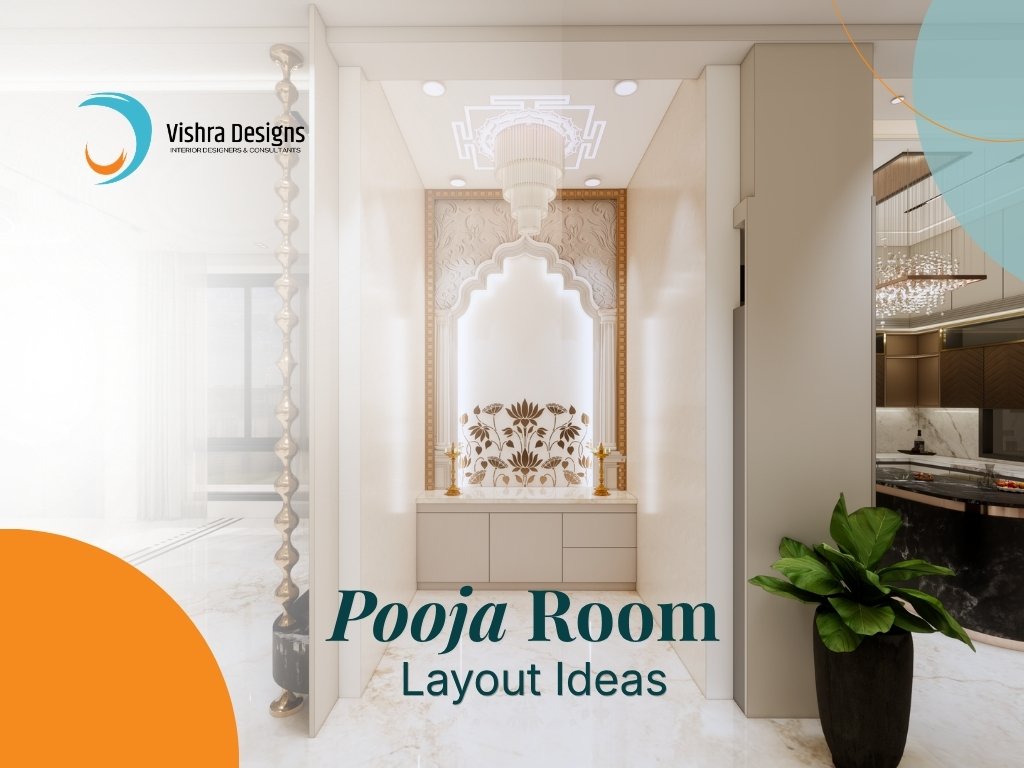
A pooja room is a special part of many Indian homes, but creating one does not always require a large separate room. In apartments and compact houses, homeowners often need to balance prayer space with storage, furniture, ventilation, and daily movement.
The right Pooja Room Layout Ideas can help you create a peaceful space that fits naturally into your home. Whether you have a dedicated room, a small corner, or an open pooja unit, thoughtful planning can make the area both practical and beautiful.
Understanding Pooja Room Layout Ideas
A good pooja room layout is mainly about using the available space wisely. The design should provide enough room for the idols, lamps, prayer items, storage, and comfortable movement.
For example, a homeowner living in a 2BHK apartment may not have space for a separate pooja room. In this situation, a compact wall-mounted unit or a pooja cabinet can work well. In a larger independent house, a dedicated pooja room with a door and additional storage may be more suitable.
The layout should also match the overall interior style of the home instead of looking like a separate addition.
Why Pooja Room Layout Is Important for Your Home
The pooja area is used regularly, so its design should be convenient for everyday use. A poorly planned unit can become crowded, difficult to clean, or uncomfortable when more family members use it together.
A well-planned layout can help with:
- Keeping idols and prayer items organised
- Providing easy access to storage
- Maintaining a clean and peaceful appearance
- Making good use of small spaces
- Allowing enough room for lighting and ventilation
- Matching the pooja area with the rest of the interiors
For families who regularly perform festivals and special prayers at home, having additional storage for lamps, incense, flowers, books, and other items can make a noticeable difference.
Important Things to Consider
Space and Layout
Start by checking the actual space available. A compact apartment may need a simple wall-mounted design, while a larger home can accommodate a separate room.
Avoid making the pooja unit too large for the room. It should leave enough space for people to walk around comfortably.
Storage
Storage is often overlooked when planning pooja room ideas. Small drawers and cabinets can be useful for keeping prayer books, matchboxes, incense sticks, oil containers, and other items out of sight.
Closed storage also makes cleaning easier and keeps the space looking neat.
Materials
Wood, plywood, marble, glass, and other finishes can be used depending on the style and budget of the home.
For Indian homes, materials that are easy to clean are particularly useful. If oil lamps or diyas are used regularly, choose finishes that can handle frequent cleaning and everyday use.
Lighting
Lighting can completely change the feel of a pooja space. Warm and soft lighting usually creates a calm atmosphere.
You can use concealed LED lights, small spotlights, wall lights, or decorative lamps. Make sure the lighting is practical enough to clearly see the idols and prayer area without creating excessive glare.
Ventilation and Maintenance
If you use diyas, incense sticks, or camphor regularly, proper ventilation becomes important. A dedicated pooja room should ideally have suitable airflow.
Also think about cleaning while selecting the design. Highly detailed surfaces and difficult-to-reach corners may look attractive initially but can take more effort to maintain.
Budget and Family Requirements
Your pooja area does not have to be expensive to look good. A simple design with good proportions and suitable lighting can work beautifully.
Consider how your family uses the space before finalising the design. If several people pray together, provide enough floor or standing space. If the pooja area is mainly used by one or two people, a compact design may be enough.
[Read More: Modern Bedroom Interior Design Ideas for Indian Homes: A Complete Guide ]
Popular Pooja Room Ideas for Indian Homes
1. Compact Wall-Mounted Pooja Unit
This is a practical option for apartments with limited floor space. A wall-mounted unit can include a small platform, shelves, drawers, and a decorative backdrop.
It can be placed in a suitable corner of the living or dining area while keeping the rest of the room open.
2. Pooja Cabinet with Doors
A pooja cabinet is useful when you want to keep the prayer area visually separate without building a full room.
Wooden doors, glass shutters, or decorative panels can be used depending on your interior style. The doors can also help protect the space from dust when it is not being used.
3. Pooja Area with Jaali or Partition
If your pooja space is part of the living room, a decorative jaali or partition can create a sense of separation.
This approach works particularly well in modern Indian homes because it gives the pooja area its own identity without making the room feel smaller.
4. Marble or Stone Pooja Design
For homeowners who prefer a traditional appearance, marble or stone can create a timeless look. It is also relatively easy to wipe and maintain when the surface is planned properly.
A simple stone backdrop combined with warm lighting can give the area a calm and elegant appearance.
5. Pooja Room with Extra Storage
If your family performs elaborate prayers during festivals, consider including additional drawers and cabinets.
Instead of keeping everything around the idols, storage can be integrated below or beside the main prayer platform. This keeps the area organised without sacrificing the traditional feel.
Common Mistakes to Avoid
One common mistake is planning the pooja unit only for appearance. A beautiful unit can still be inconvenient if there is no place for prayer items or if people cannot sit comfortably.
Another mistake is ignoring ventilation. Regular use of incense, lamps, and camphor can make a poorly ventilated space uncomfortable.
Too much decoration is another issue. Multiple shelves, patterns, lights, and decorative elements can make a small pooja area look crowded.
Homeowners should also avoid choosing materials without considering maintenance. A design that requires frequent cleaning or has too many difficult corners may become inconvenient over time.
Finally, do not forget the rest of the home. The pooja area should fit naturally with the living room, dining space, or other surrounding interiors.
[Read More: Home Renovation Service in Hyderabad: Transform Your Home with Vishra Designs ]
How Vishra Designs Can Help
Planning a pooja area is easier when the design is considered as part of the complete home interior. Vishra Designs works on home interiors including living rooms, bedrooms, modular kitchens, dining areas, and other spaces.
If you are unsure whether your home needs a separate pooja room, cabinet, wall unit, or partitioned space, an interior designer can help you compare the options based on your floor plan and daily requirements.
The process can begin with an enquiry, followed by design planning, execution, and project completion. This helps homeowners consider the pooja area along with the rest of the home’s interiors rather than treating it as an isolated space.
Frequently Asked Questions
1. Can I create a pooja area in a small apartment?
Yes. A wall-mounted unit, compact cabinet, or small dedicated corner can work well when floor space is limited. The key is to avoid making the unit unnecessarily large.
2. What are some simple Pooja Room Ideas for modern homes?
Simple wooden units, jaali partitions, compact cabinets, marble backdrops, and warm LED lighting are practical options. The choice depends on the available space and the overall interior style.
3. Should a pooja room have storage?
Yes, especially if you regularly keep prayer books, incense, lamps, oil, flowers, and other items. Small drawers or cabinets can keep these things organised.
4. What type of lighting works well in a pooja area?
Warm, soft lighting is generally a comfortable choice. Concealed LED lights, spotlights, and decorative lamps can be combined depending on the design.
5. Is a separate pooja room necessary?
No. A separate room is not essential for every home. A well-planned pooja cabinet or dedicated corner can work very well in an apartment or smaller house.
6. How can I choose the right pooja room layout?
Consider your available space, family size, storage needs, cleaning routine, lighting, ventilation, budget, and how often the area is used. A layout should be practical first and decorative second.
Conclusion
The right Pooja Room Layout Ideas can make even a small prayer area feel peaceful, organised, and comfortable. Whether you choose a dedicated room, wall-mounted unit, cabinet, or partitioned corner, focus on practical use, storage, lighting, ventilation, and easy maintenance.
If you are planning a new home interior or want to add a pooja area to your existing home, Vishra Designs can help you plan the space as part of your overall interior design. A thoughtful layout can make the pooja area feel naturally connected to the way your family lives.