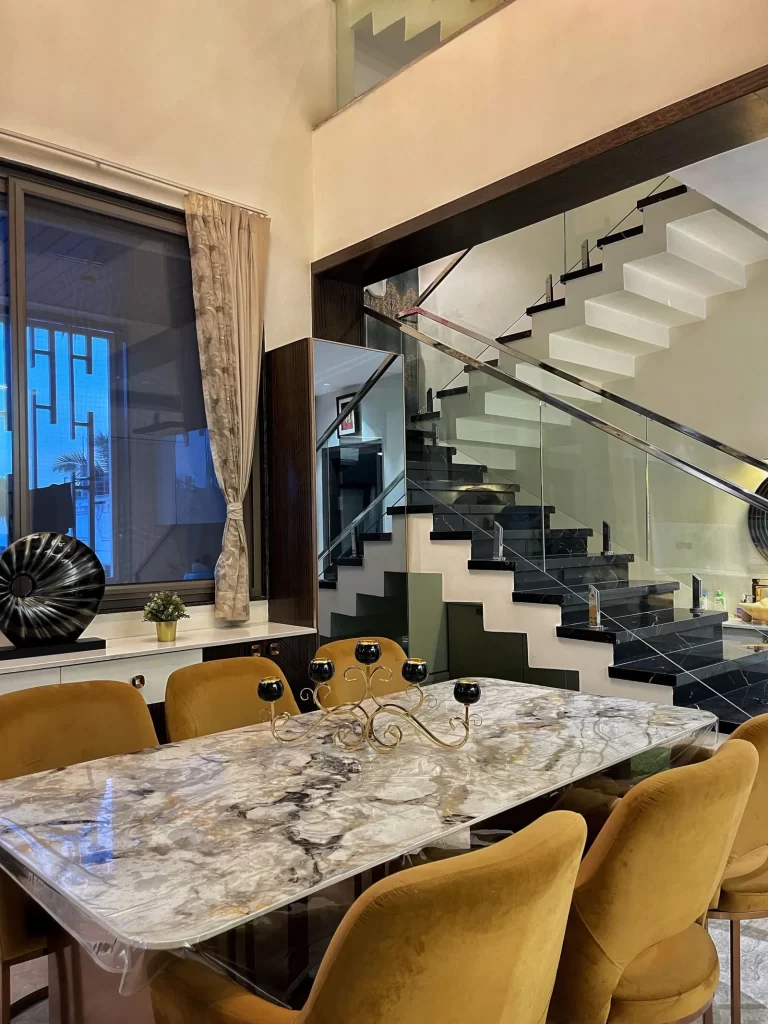
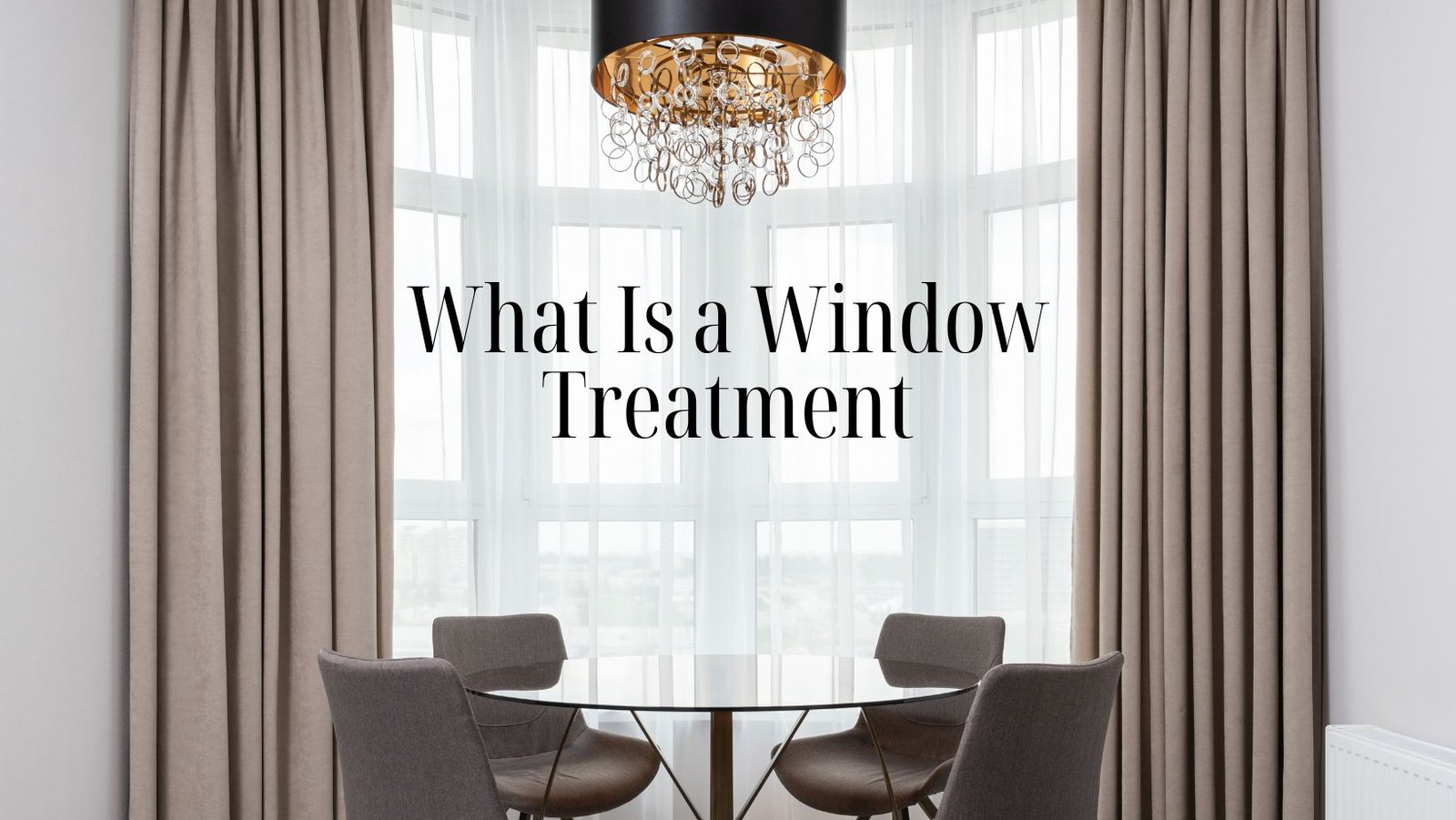
Windows are an important part of every home. They bring natural light, fresh air, and an open feeling into a room. But windows also need the right design and covering to provide privacy, control sunlight, and improve the overall appearance of the interior.
This is where window treatment becomes important.
If you are wondering what is a window treatment, it simply means the decorative or functional covering used around or over a window. Curtains, blinds, shades, shutters, and certain decorative window coverings are all examples of window treatments.
A good window treatment should do more than cover a window. It should match the room, control light, provide privacy, and complement the furniture and interior design.
What Is a Window Treatment?
A window treatment is a covering, material, or design element used to improve the function and appearance of a window.
Window treatments can help with:
- Privacy
- Sunlight control
- Interior decoration
- Light filtering
- Room comfort
- Visual appearance
- Creating a finished look
Some window treatments are simple and practical, while others are designed mainly to add style to a room.
For example, curtains can make a bedroom feel warm and comfortable. Roller blinds can create a clean modern appearance in a home office. Wooden blinds can add texture to a living room.
The right choice depends on the room, window size, amount of sunlight, privacy requirements, and overall interior style.
Why Are Window Treatments Important?
Windows can look incomplete without suitable coverings.
A well-planned window treatment can improve both the appearance and functionality of a room.
1. Provides Privacy
Privacy is one of the main reasons people use window treatments.
Curtains, blinds, and shades can prevent people outside from seeing directly into your home.
This is especially important for:
- Bedrooms
- Living rooms
- Ground-floor homes
- Apartments facing other buildings
- Bathrooms
2. Controls Natural Light
Too much sunlight can make a room uncomfortable.
Window treatments allow you to control how much light enters the room.
You can choose:
- Sheer curtains for soft light
- Blackout curtains for stronger light control
- Roller blinds for adjustable coverage
- Roman shades for a softer appearance
3. Improves Interior Design
Windows cover a large part of a wall. Because of this, the treatment can become an important part of the room’s design.
The colour, fabric, pattern, and style should complement:
- Sofa
- Bed
- Walls
- Flooring
- Rugs
- Furniture
- Lighting
4. Creates a Finished Look
Even a beautifully designed room can look incomplete if the windows are left untreated.
The right curtains or blinds can visually complete the space.
Types of Window Treatments
There are many types of window treatments available.
The best choice depends on your requirements and interior style.
1. Curtains
Curtains are one of the most common window treatments.
They are available in different:
- Colours
- Fabrics
- Lengths
- Patterns
- Textures
- Styles
Curtains can be used in almost every room.
They can create a soft and comfortable appearance while also providing privacy and light control.
Sheer Curtains
Sheer curtains are made from lightweight fabric.
They allow natural light to enter while providing some privacy.
They are useful for:
- Living rooms
- Bedrooms
- Dining areas
Sheer curtains can also be combined with thicker curtains for better control.
Blackout Curtains
Blackout curtains are designed to block a large amount of incoming light.
They can be useful for:
- Bedrooms
- Children’s rooms
- Home theatres
- Rooms facing strong sunlight
They also provide greater privacy.
Layered Curtains
Layered curtains use two types of fabric, often a sheer curtain and a heavier curtain.
During the day, you can keep the sheer layer closed.
At night, the heavier curtain can provide additional privacy and light control.
This is a practical and attractive option for modern homes.
2. Roller Blinds
Roller blinds use a fabric panel that rolls up and down.
They provide a clean and simple appearance.
Roller blinds are suitable for:
- Bedrooms
- Home offices
- Kitchens
- Modern living rooms
They are particularly useful when you want a minimal design without large curtains.
3. Roman Shades
Roman shades fold neatly when they are raised.
They have a soft and elegant appearance.
Roman shades can work well in:
- Bedrooms
- Living rooms
- Dining rooms
They are available in many colours and fabrics.
4. Venetian Blinds
Venetian blinds use horizontal slats.
The slats can be adjusted to control light and privacy.
They are available in materials such as:
- Wood
- Aluminium
- PVC
- Other manufactured materials
They can work well in modern and contemporary interiors.
5. Vertical Blinds
Vertical blinds have vertical slats that move from side to side.
They can be useful for:
- Large windows
- Sliding doors
- Balcony doors
- Wide openings
They provide practical light and privacy control.
6. Wooden Blinds
Wooden blinds can add natural warmth to a room.
They work well with:
- Wooden furniture
- Beige walls
- Neutral interiors
- Natural materials
They can create a more premium and sophisticated appearance.
7. Window Shutters
Shutters are solid or slatted window coverings that are fixed to the window frame.
They provide privacy and light control while creating a structured appearance.
They can work well in traditional, modern, and luxury interiors depending on their design.
Window Treatment for Living Room
The living room is one of the most important areas for window treatment.
The right treatment can make the room look larger, brighter, and more comfortable.
Curtains for Living Room
Floor-length curtains can create a more elegant appearance.
For a modern living room, consider:
- Beige curtains
- Cream curtains
- Light grey curtains
- White sheer curtains
- Neutral textured curtains
For a stronger design, you can use deeper colours as accents.
Window Treatment with Sheer Curtains
Sheer curtains can allow natural light into the living room while reducing direct visibility from outside.
They are especially useful when you want the room to feel bright and open.
Vishra’s interior guidance also recommends using lighter curtains where appropriate so that natural light can enter and the room does not feel closed.
Window Treatment for Bedroom
Bedrooms require more privacy and light control than many other rooms.
Good options include:
- Blackout curtains
- Layered curtains
- Roman shades
- Roller blinds
- Curtains with a sheer layer
Blackout Curtains for Bedrooms
Blackout curtains can be useful when you want to reduce outside light.
They can also create a more private and comfortable bedroom environment.
For a modern bedroom, combine neutral curtains with:
- Wooden furniture
- Soft lighting
- Neutral walls
- Upholstered furniture
Vishra Designs’ bedroom guidance highlights curtains and other soft furnishings as important elements for adding texture and warmth while also considering natural light.
[Read More: Pooja Room Layout Ideas for Indian Homes: Simple and Practical Designs ]
Window Treatment for Kitchen
Kitchen windows need practical treatments because the area can experience heat, steam, moisture, and cooking activity.
Suitable options can include:
- Roller blinds
- Easy-to-clean blinds
- Short curtains
- Simple shades
Avoid fabrics that are difficult to clean if the window is close to the cooking area.
The treatment should be practical and should not interfere with the stove, chimney, or countertop.
Window Treatment for Dining Room
A dining room window can become a decorative feature.
You can use:
- Floor-length curtains
- Roman shades
- Sheer curtains
- Layered curtains
Choose a colour that works with the dining table, chairs, wall colour, and lighting.
For example:
Ivory walls + beige curtains + wooden dining table
can create a warm and comfortable dining area.
Window Treatment for Kids’ Room
Children’s rooms can use more playful designs.
You can choose:
- Light-coloured curtains
- Simple patterns
- Pastel shades
- Blackout curtains
- Roller blinds
The window treatment should be safe, easy to maintain, and suitable for the child’s age.
Keep the design simple so that the room does not feel visually crowded.
[Read More: 2BHK Interior Design Cost in Hyderabad: A Practical Guide for Homeowners ]
Window Treatment for Small Homes
Small homes need careful window planning.
Large, heavy curtains can sometimes make a small room feel crowded.
Instead, consider:
- Light fabrics
- Sheer curtains
- Light colours
- Roller blinds
- Curtains mounted higher above the window
Light-coloured treatments can help maintain a brighter visual appearance.
Vishra’s 2 BHK design guidance similarly recommends considering natural light and avoiding bulky furniture or heavy elements near windows in compact homes.
Window Treatment for 2 BHK Homes
In a 2 BHK home, window treatments should be selected according to the size and function of each room.
For example:
Living Room
Sheer curtains with heavier side curtains.
Master Bedroom
Blackout curtains with a soft inner layer.
Second Bedroom
Roller blinds or simple curtains.
Kitchen
Easy-to-clean roller blinds.
Using a coordinated colour palette can help the entire home feel connected.
Window Treatment for 3 BHK Homes
A 3 BHK provides more flexibility.
You can use different window treatments in different rooms while maintaining a common colour theme.
For example:
- Living room: Layered curtains
- Master bedroom: Blackout curtains
- Children’s room: Patterned curtains
- Guest room: Roman shades
- Kitchen: Roller blinds
- Dining room: Sheer curtains
The treatments do not need to be identical.
They only need to work together visually.
Window Treatment for Hyderabad Homes
Hyderabad homes can receive strong sunlight during parts of the year. Window treatments can therefore play an important role in managing sunlight and maintaining privacy.
The best option depends on:
- Window direction
- Amount of sunlight
- Room size
- Privacy requirements
- Furniture placement
- Air circulation
- Interior style
For a bright living room, sheer curtains can help soften incoming light.
For bedrooms with strong morning or afternoon sunlight, blackout curtains or layered treatments can provide greater control.
The design should also consider maintenance. In an urban environment, easy-to-clean fabrics and finishes can be useful.
Window Treatment and Interior Colour
Window treatments should complement the room’s colour palette.
Beige
Beige curtains work well with:
- White
- Ivory
- Brown
- Green
- Wood
Grey
Grey curtains can work with:
- White
- Beige
- Black
- Blue
- Natural wood
White
White curtains create a bright and clean appearance.
They work particularly well in minimalist interiors.
Green
Green curtains can add a natural accent.
They work well with:
- Beige
- Cream
- Wood
- White
Brown
Brown curtains can create a warm and grounded appearance.
They work well with wooden furniture and neutral walls.
Window Treatment and Furniture
The window treatment should work with the furniture.
For example:
Beige curtains + cream sofa + wooden coffee table
creates a warm and coordinated living room.
Another option is:
Light grey curtains + grey sofa + wooden TV unit
for a contemporary interior.
Do not choose curtains separately from the rest of the room.
Look at the complete interior before selecting the final fabric and colour.
Window Treatment and Lighting
Natural light and artificial lighting should be considered together.
During the day, curtains and blinds control natural light.
At night, artificial lighting creates the room’s atmosphere.
For example:
- Sheer curtains + daylight = bright and soft
- Blackout curtains + warm lights = comfortable bedroom
- Roller blinds + ceiling lights = clean modern office
The right combination can make the room feel different at different times of the day.
[Read More: Interior Designers & Interior Decorators in Hyderabad: A Practical Guide for Homeowners ]
How to Choose the Right Window Treatment
Before buying curtains or blinds, consider these points.
1. Measure the Window
Measure the window width and height carefully.
Also consider whether the treatment will be installed inside or outside the window frame.
2. Check the Sunlight
Identify how much direct sunlight enters the room.
Strong sunlight may require stronger light control.
3. Decide Your Privacy Level
Bedrooms usually need more privacy than living rooms.
4. Consider the Room Style
Choose a treatment that matches the overall interior.
5. Think About Maintenance
Choose fabrics and materials that are easy to clean if the room gets dusty or is used frequently.
6. Consider the Window Size
Large windows may work well with curtains or vertical blinds.
Small windows may work better with roller blinds or Roman shades.
7. Consider the Furniture
Make sure curtains or blinds do not interfere with wardrobes, beds, sofas, desks, or other furniture.
Common Window Treatment Mistakes
Choosing Curtains That Are Too Short
Short curtains can sometimes make the window and wall look visually disconnected.
Using Very Heavy Curtains in Small Rooms
Heavy fabrics can make a compact room feel darker and smaller.
Ignoring the Window Direction
The amount of sunlight entering the room should influence the treatment.
Choosing Colour Without Checking the Room
A curtain may look different under different lighting conditions.
Always compare fabric samples with the actual walls and furniture.
Blocking Natural Light Completely
Some rooms benefit from natural daylight.
Instead of always using heavy curtains, consider layered treatments.
Ignoring Maintenance
A beautiful fabric may not be practical if it is difficult to clean.
Benefits of Professional Window Treatment Planning
Window treatments may seem like a small part of interior design, but they affect several parts of a room.
A professional designer can help coordinate:
- Window size
- Curtain length
- Fabric
- Colour
- Furniture
- Lighting
- Wall colour
- Privacy
- Natural light
This helps the window treatment become part of the overall interior rather than looking like an afterthought.
Why Choose Vishra Designs for Home Interior Design?
Vishra Designs focuses on creating residential interiors that combine style, comfort, functionality, and personalised design. The company works across complete home interiors and individual spaces, with its portfolio covering residential design, in-house manufacturing, and customised furniture.
Window treatments can be planned as part of the complete interior. This allows curtains, blinds, colours, furniture, lighting, and other elements to work together.
Vishra Designs also focuses on understanding the homeowner’s lifestyle and requirements before developing the design, rather than simply applying a fixed style to every home.
For homeowners in Hyderabad, this approach can help create interiors where natural light, privacy, comfort, and visual style are properly balanced.
Final Thoughts
So, what is a window treatment?
A window treatment is a covering or design element used to improve the function and appearance of a window. Curtains, blinds, shades, and shutters are some common examples.
The right window treatment can provide:
- Privacy
- Light control
- Comfort
- Style
- A finished interior appearance
The best choice depends on your room, window size, sunlight, furniture, privacy needs, and interior style.
Whether you are designing a living room, bedroom, kitchen, 2 BHK, 3 BHK, apartment, or villa, window treatments should be planned as part of the complete interior design.
A simple curtain or blind can make a big difference when it is selected carefully and coordinated with the rest of the home.
Frequently Asked Questions About Window Treatments
A window treatment is a covering or decorative element used around or over a window. Curtains, blinds, shades, and shutters are common examples.
Curtains are one of the most common window treatments. They are available in many fabrics, colours, lengths, and styles.
Blackout curtains, layered curtains, roller blinds, and Roman shades can work well in bedrooms. The choice depends on privacy and light-control requirements.
Yes. Curtains are one of the most common types of window treatments.
Light curtains, sheer curtains, roller blinds, and simple shades can work well in small rooms. Avoid overly heavy treatments if you want to maintain an open feeling.
Neither is always better. Blinds provide precise light control and a clean look, while curtains offer softness, texture, and many decorative options.
Easy-to-clean roller blinds or simple shades can be practical for kitchens. The treatment should not interfere with cooking areas or appliances.
Yes. The right window treatment can complement the walls, furniture, flooring, lighting, and overall interior style.
Consider the window size, sunlight, privacy, room style, furniture, maintenance requirements, and budget before making a choice.
Yes. Curtains, blinds, shades, and other treatments can be selected or customised according to window size, colour preferences, room requirements, and interior design.